
The Evolution of AI Living Aids in Elderly Care
Categories:
Blog , Helpful Hints
Date Posted:
January 8, 2026
Author:
Alex Muir

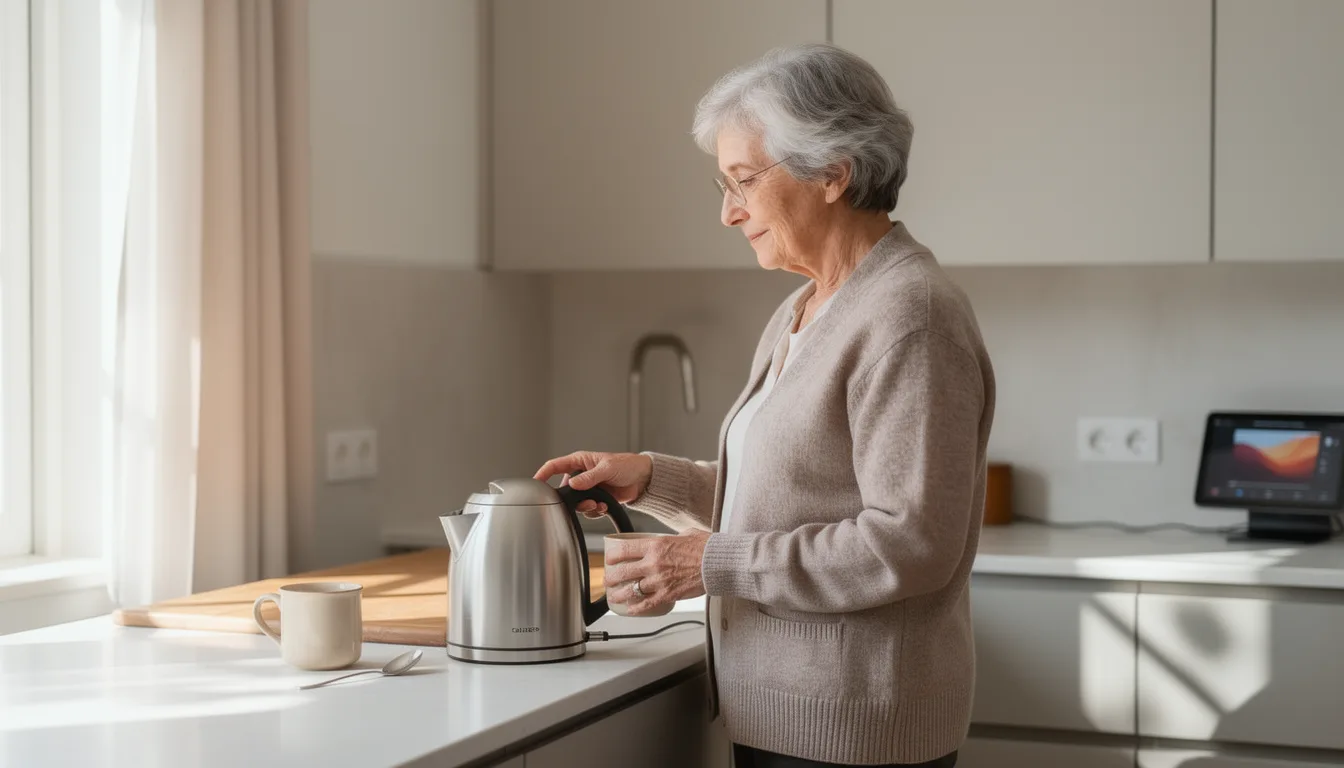
How Is AI Improving Living Aids for the Elderly?
Artificial intelligence is rapidly transforming living aids for the elderly, making everyday life safer, simpler, and more independent. From voice-controlled home systems to predictive safety monitoring and personalised mobility support, AI-powered technology is reshaping how older adults live comfortably in their own homes.
Modern solutions such as AI stairlifts, fall detection systems, and smart home technology for the elderly are helping people maintain independence while giving families added peace of mind.
AI-Powered Living Aids Elevating Today’s Elderly Care
As we grow older, independence and comfort within the home become increasingly important. For many older adults, remaining in familiar surroundings plays a vital role in emotional wellbeing and quality of life. Today, advances in elderly care technology are helping make this possible.
AI-driven living aids are no longer about convenience alone. They support dignity, safety, and confidence, turning everyday challenges into manageable routines. Across the UK, these technologies are quietly enhancing independent living for the elderly without disrupting the feel of home
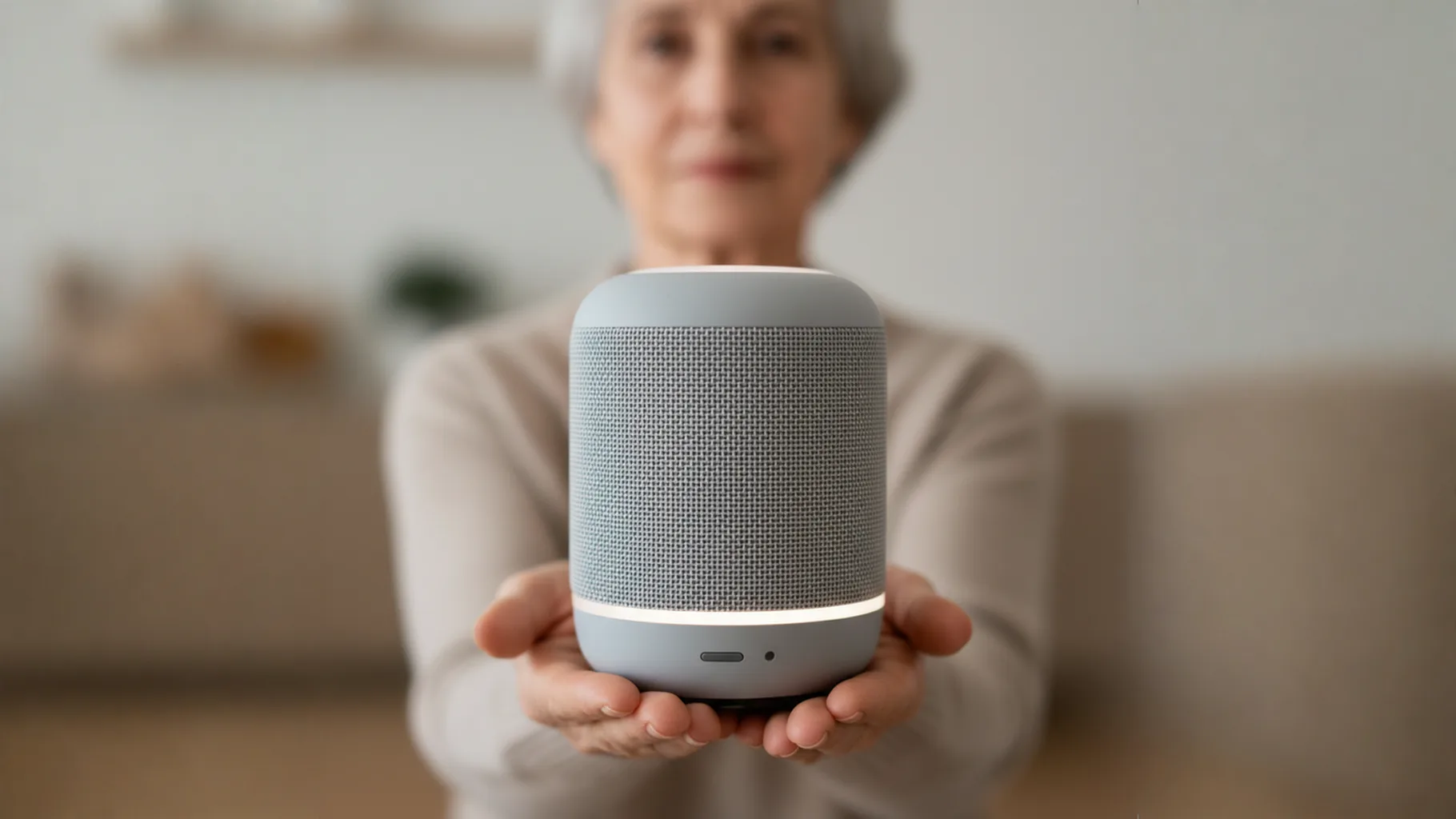
Smart Home Ecosystems for Safer Independent Living
Smart home technology for elderly users is becoming an essential part of modern care. Voice-activated systems such as Google Home and Amazon Alexa allow individuals to control lighting, heating, and appliances without physical strain.
These AI-powered systems learn daily routines, adapt to preferences, and reduce the risk of accidents, making them a valuable part of home accessibility solutions. Simple voice commands can now help older adults remain comfortable and safe throughout the day.
AI-Enhanced Monitoring & Fall Detection
One of the most valuable developments in AI living aids for the elderly is intelligent monitoring. Wearable devices and discreet home sensors can track movement, sleep patterns, and vital signs while respecting privacy.
Advanced fall detection systems can automatically alert family members or emergency services if an incident occurs. This type of proactive monitoring provides reassurance without constant supervision, supporting independence rather than restricting it.

Robotic Assistants Supporting Daily Tasks
AI-powered robotic assistants are helping with everyday household tasks that may otherwise cause fatigue or discomfort. From vacuuming floors to reminding users about medication schedules, these systems reduce physical strain while maintaining independence.
Designed to learn routines and adapt over time, robotic assistants are becoming an important form of assistive technology for seniors, offering practical support without intrusion.
AI-Powered Culinary Companions
In the kitchen, AI is transforming meal preparation into a safe and enjoyable experience. Smart kitchen appliances, like AI-enabled ovens, can automatically adjust cooking times and temperatures for different recipes, ensuring meals are perfectly prepared every time. Refrigerators equipped with AI can monitor food inventory, suggest healthy recipes based on available ingredients, and even place grocery orders when supplies run low.
AI in the Kitchen & Medication Management
Proper medication management is crucial for the elderly, and AI is making this task both fool proof and effortless. Smart pill dispensers equipped with AI not only remind users to take their medication but also track their medication intake. If a dose is missed, the device can alert caregivers or family members. Moreover, these systems can monitor medication levels and automatically reorder prescriptions, ensuring that the necessary medications are always on hand.
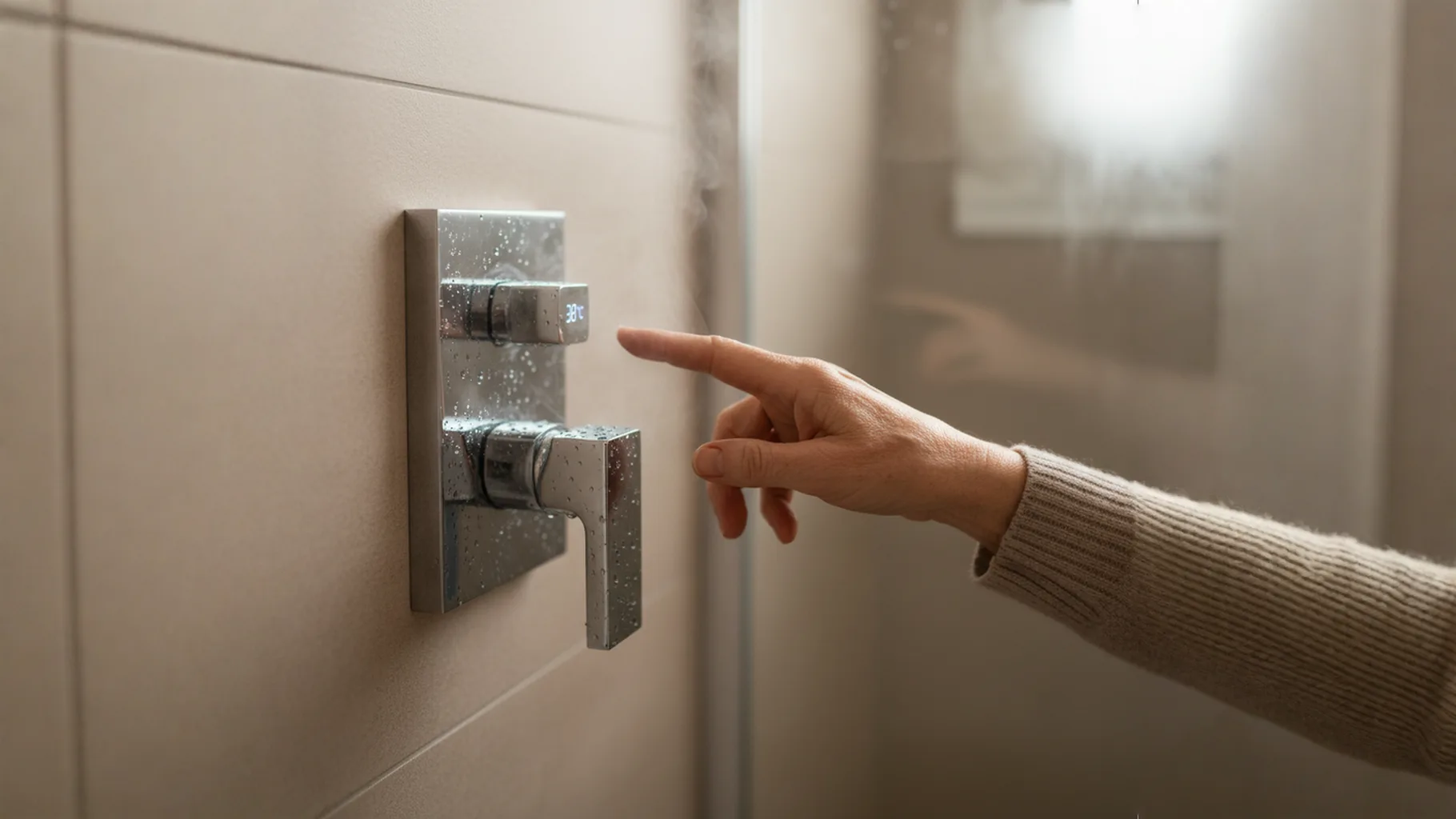
AI in Personal Hygiene and Care
Bathrooms are often high-risk spaces for older adults. AI-supported fixtures such as temperature-controlled taps, smart toilets, and adaptive bathing systems are improving safety and comfort.
These innovations support mobility aids for older adults by reducing slips, managing water temperature, and assisting with transfers, helping individuals maintain confidence in personal care routines.
AI for Cognitive Health and Social Interaction
Beyond physical well-being, AI is also catering to the cognitive and social health aspect of elderly care. Interactive AI-based games and puzzles are available to keep the mind sharp, while AI-driven social platforms can connect the elderly with their peers, family, or interest-based groups, promoting social interaction and reducing feelings of isolation.
By reducing isolation and encouraging engagement, these tools play a growing role in supporting overall wellbeing and elderly independence at home.
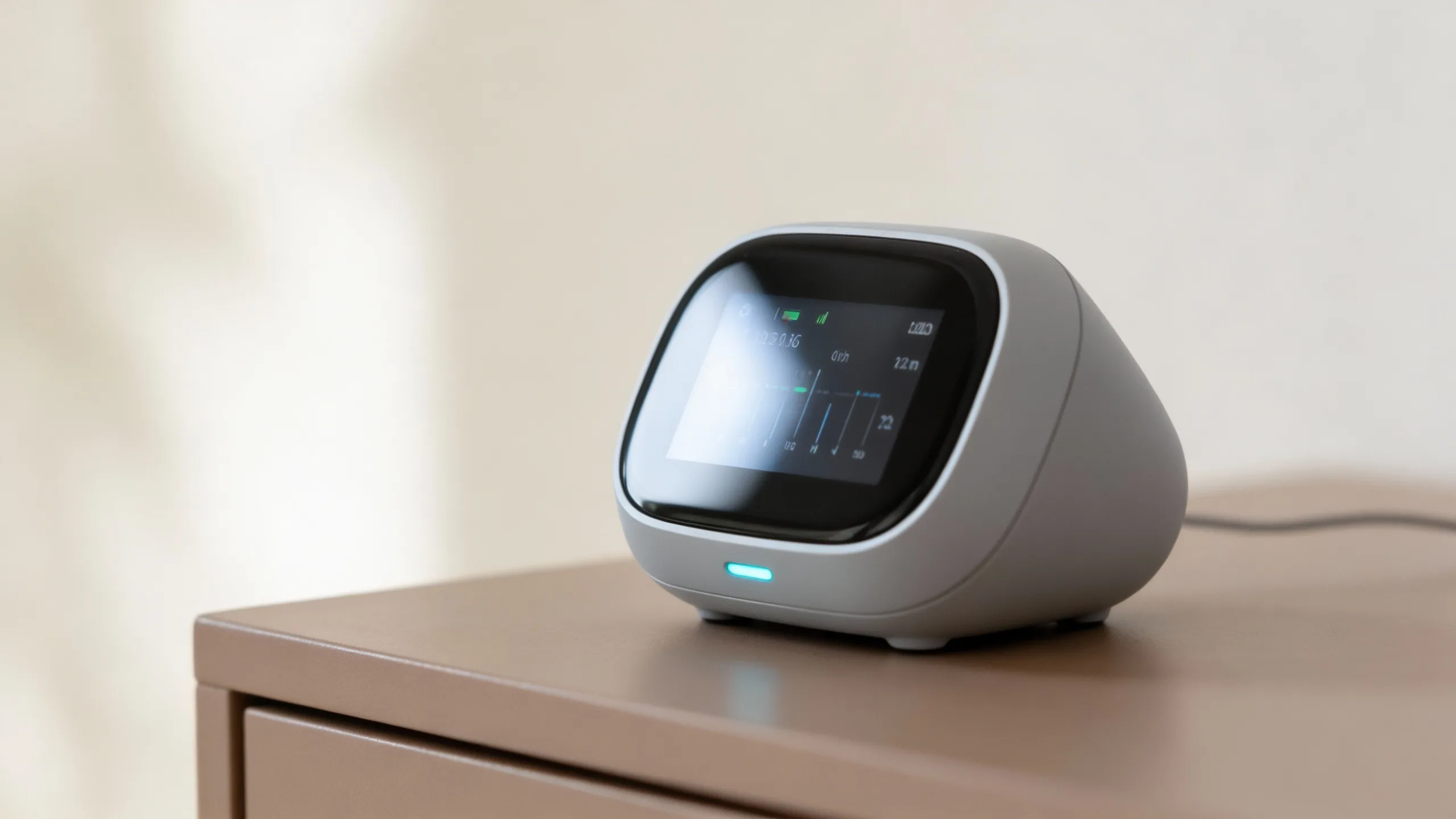
The Future of AI & Mobility Support for the Elderly
Looking ahead, AI living aids for the elderly will continue to evolve. Predictive health analytics may soon identify risks before they become emergencies, while advanced smart mobility solutions could offer personalised support for walking, standing, and stair navigation.
Future developments may also integrate AI more closely with mobility aids such as stairlifts, ensuring smoother operation, enhanced safety, and greater adaptability to changing needs.
Predictive Health Analytics
The future of AI in elderly care shines brightly with the promise of predictive health analytics. Imagine AI systems not just responding to health emergencies but predicting them before they occur. Leveraging deep learning and vast datasets, these systems could analyse patterns and predict potential health issues, from heart conditions to the risk of strokes, ensuring that prevention is prioritised and care is a step ahead.
Holographic Companions
The companionship offered by AI living aids could transcend physical forms. Holographic technology, combined with AI, could provide the elderly with interactive, three-dimensional companions. These holographic entities could offer conversation, play games, and provide cognitive stimulation, ensuring that the mind remains as active as the body, and that loneliness is kept at bay, all within the comfort of the home.
Advanced Mobility Solutions
While stairlifts have revolutionised mobility within homes, the future holds even more advanced solutions. AI could power exoskeleton suits or advanced mobility aids, providing personalised support that adapts to the mobility needs and health conditions of the user. These aids could offer assistance not just in ascending stairs but in walking, standing up, or even gentle exercise, ensuring that mobility is never a barrier to living life to the fullest.
In this dawning era of AI-driven elderly care, we stand on the brink of a revolution – a revolution that promises not just enhanced living but enriched lives. The fusion of technology and empathy is crafting a future where every day is filled with dignity, independence, and joy. In this future, AI is more than just a tool; it’s a companion, a guardian, and a bridge to a life lived without boundaries.
As we continue to explore the AI space, EMS Lifts remains dedicated to not just keeping pace with technological advances but setting the benchmark for innovation in the mobility sector. Our focus on personalised solutions and proactive care models reflects our belief that technology should serve to enhance the lives of the elderly. With EMS Lifts, the future of elderly care is not just about adapting to change; it’s about creating a world where every individual can navigate life with confidence, supported by the best that technology has to offer.
If you’re interested in reading more about AI, technology and the future of mobility, read this article next.


